Salt vs. Chlorine: What Summer Water Actually Does to Your Curls
They're not the same — and your hair knows it. Here's the difference between beach damage and pool damage, and the four-step routine that protects your curls from both.

Two weeks of vacation. That's all it took for my curls to feel like straw.
Pool days, beach days, back in the water before my hair even dried. Living my best life. Meanwhile, my hair was quietly falling apart — and by the time I got home, my curls were dry, dull, and snapping at the ends.
Here's what nobody told me: salt water and chlorine do completely different things to your hair. And if you don't know the difference, you can't fix the damage — or better yet, prevent it.
Let's break it down.
What Salt Water Does to Curls
Salt is a dehydrator. When you swim in the ocean, the salt in the water draws moisture out of your strands — the same way it pulls moisture out of anything it touches. For curls, which are already prone to dryness because natural oils have a harder time traveling down a coiled strand, that's a fast track to brittle, straw-like texture.
Salt water also roughs up the cuticle — the outer layer of your hair — which is why beach hair feels gritty and tangles so easily. That "beachy texture" everyone loves? It's actually your hair crying out for moisture.
What Chlorine Does to Curls
Chlorine is a different beast entirely. It's a chemical disinfectant, and it doesn't just sit on your hair — it strips away your hair's natural protective oils and can penetrate the strand itself.
For color-treated hair, chlorine is especially rough: it can react with copper particles in pool water and leave a greenish tint, particularly on lighter or highlighted hair. Even on uncolored curls, repeated chlorine exposure weakens the strand over time, leaving it porous, fragile, and frizzy.
Both are rough on curls — which is why you need a routine that covers both ends: protection before you swim, and recovery after.
The Summer Curl Routine: Protect, Then Recover
Your hair is like a sponge. If it's already full of the good stuff, it absorbs less of the bad stuff. That one idea is the whole strategy — fill your strands with moisture before you get in, seal them, and then clear out whatever made it through once you're done.
Here's the full routine, in order:

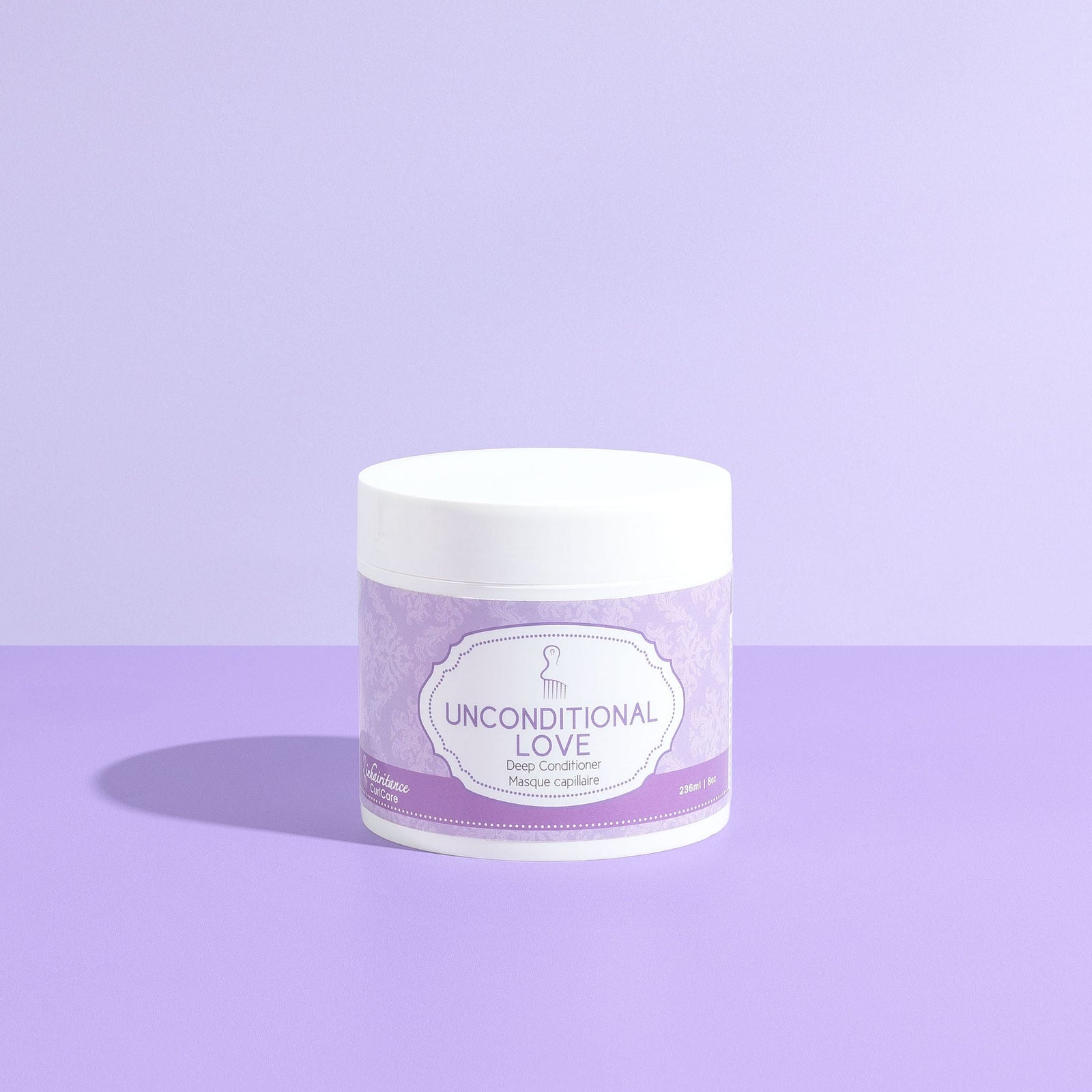
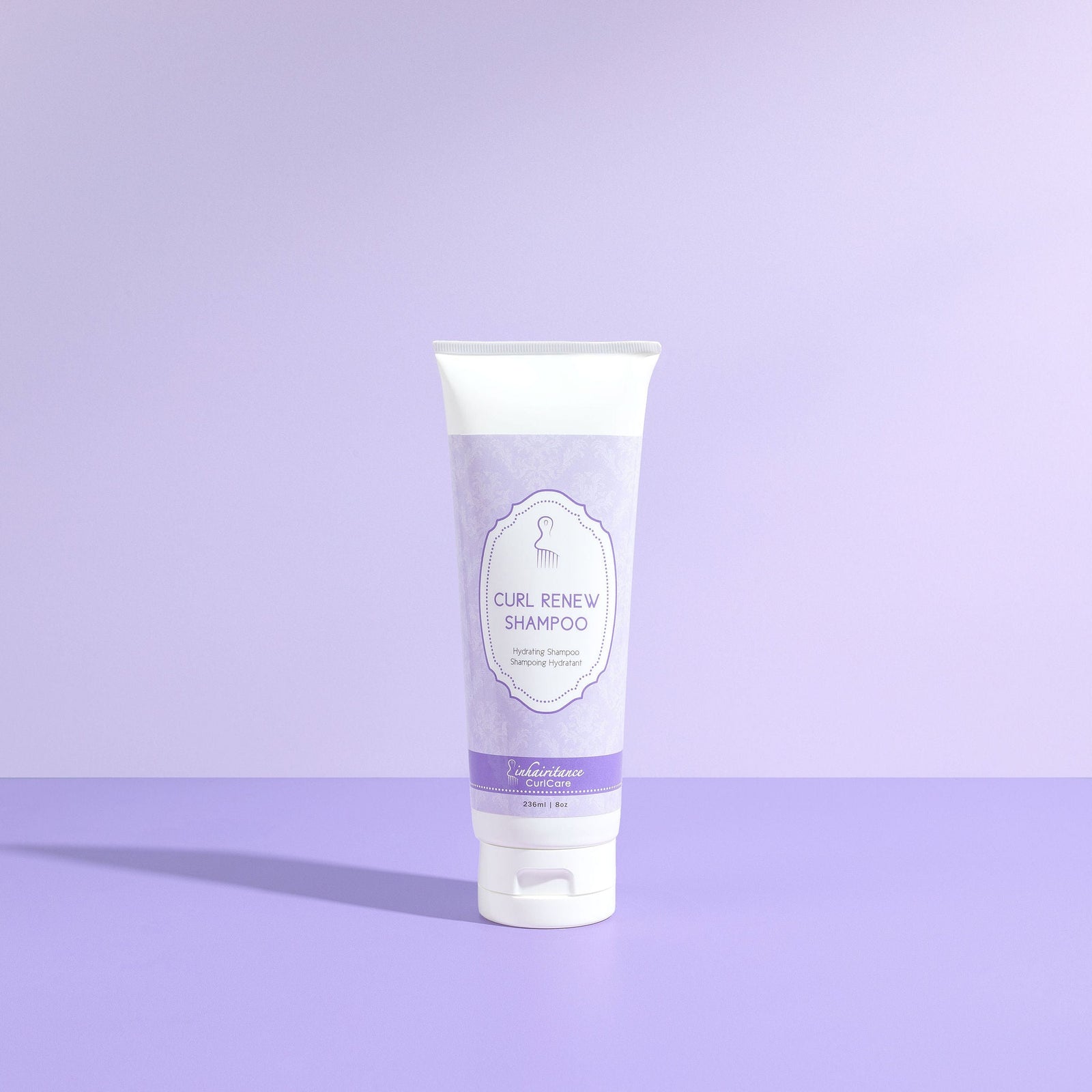
Saturate your curls completely before you head to the water. Strands that are already full of moisture have less room to soak up salt and chlorine.
Shop Now
Seal the strand right before you enter the water. This locks your moisture in — and locks as much salt and chlorine out as possible.
Shop Now
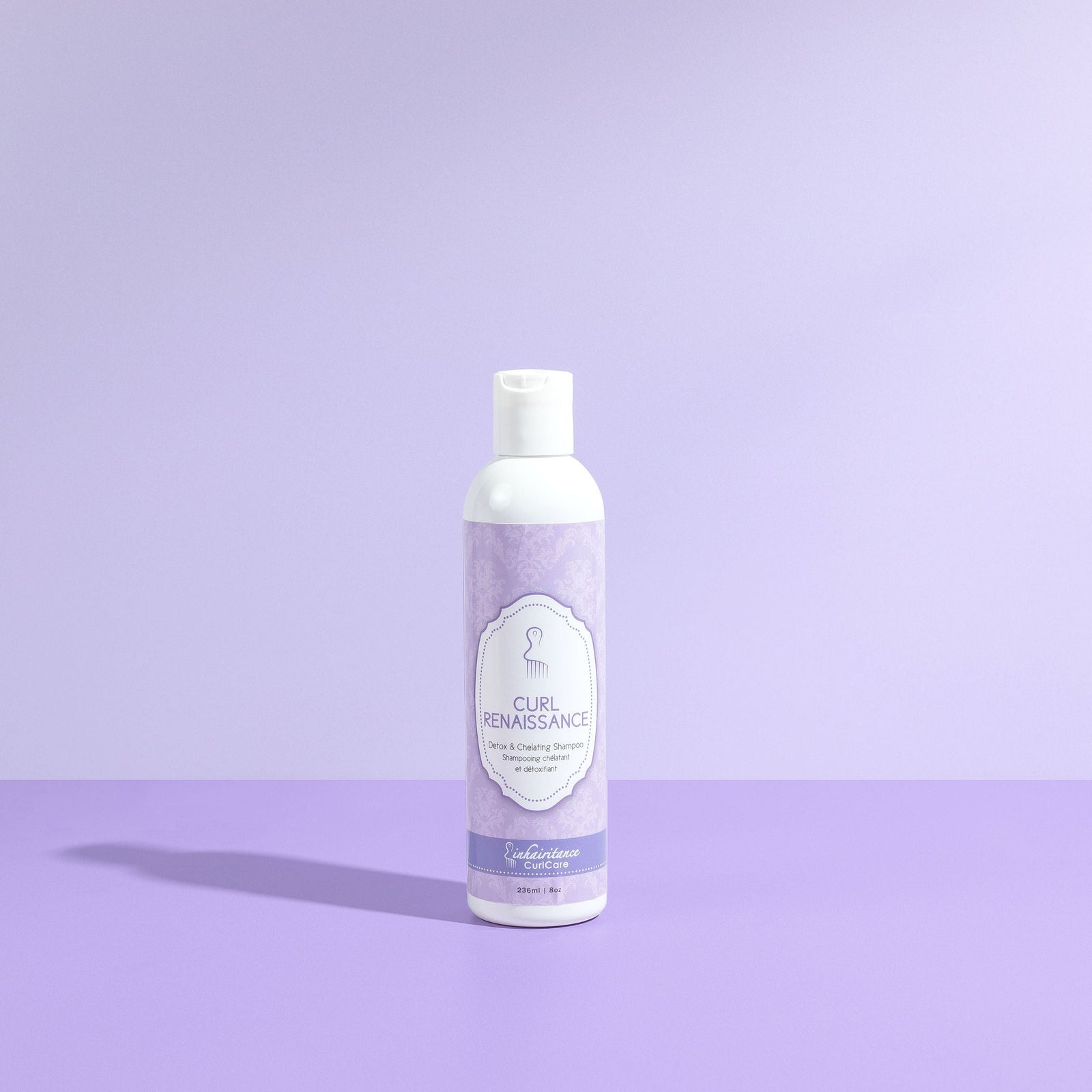
Chelate and pull out all that buildup — chlorine, salt, sweat, sunscreen, all of it. Regular shampoo can't fully remove it; chelating can.
Shop Now
Rebalance your hair and restore the hydration, so your curls bounce back soft, defined, and actually feeling like curls again.
Shop NowA Few More Summer Curl Tips
Rinse immediately after swimming
Even a quick fresh-water rinse before you leave the pool or beach cuts down how long salt and chlorine sit on your strands.
Don't skip protection for "just a quick dip"
Damage is cumulative — every exposure counts, even the short ones.
Protective styles help
A bun or braid reduces the surface area exposed to the water. It's a great backup — but it's not a substitute for product protection.
Deep condition weekly during swim season
Your curls are working harder in summer. Give them the extra support on wash day.
Your Curls Will Feel Like Curls Again
Not straw. Not hay. Curls.
Summer water doesn't have to be the enemy — you just need to know what you're up against and have the right routine in place. Protect before, recover after, and your curls will make it to September softer than they started.
Protect Before. Recover After.
All four steps, one routine — everything your curls need to survive salt, chlorine, and everything in between.
Shop the Summer RoutineGo enjoy the water. We got you.
Your curls were built for this season — now they're protected for it, too.